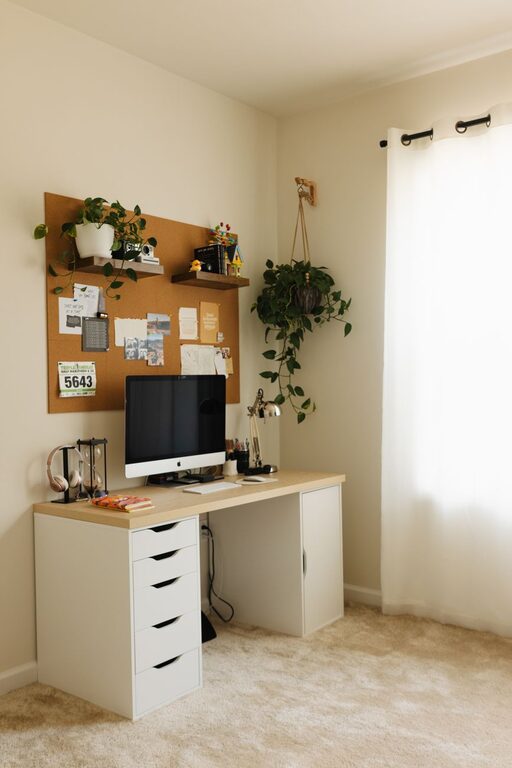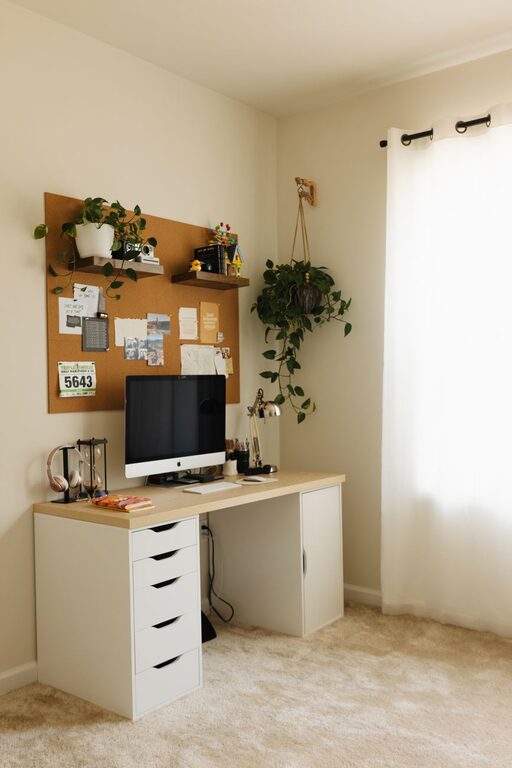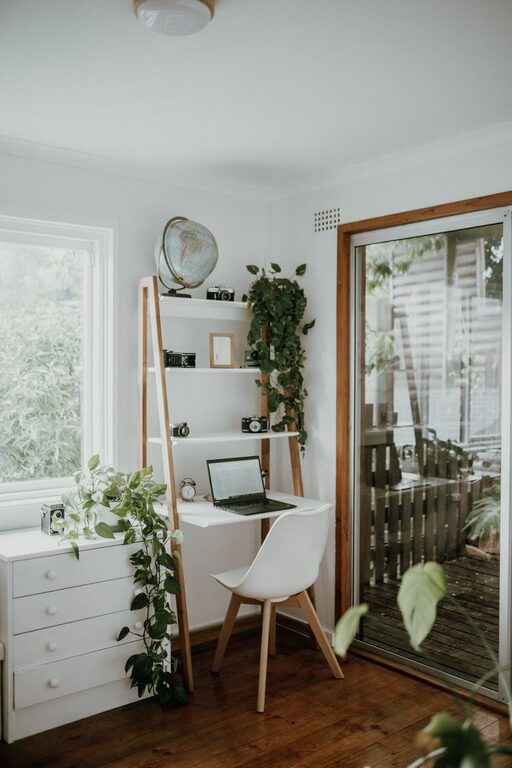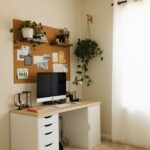
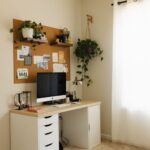
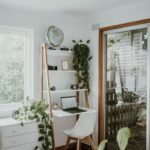



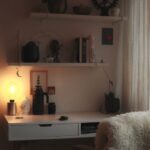


Creating a relaxing home environment is essential for unwinding after a busy day and promoting overall well-being. Your home should be a sanctuary that nurtures peace, comfort, and calm. Fortunately, you don’t need a complete makeover or expensive decor to achieve this. Small, thoughtful changes can make a big difference in transforming your space into a soothing retreat. Here are some simple tips to help you create a relaxing home environment.
1. Declutter to Clear Your Mind
A cluttered space often leads to a cluttered mind. Removing excess stuff instantly makes a room feel more open and calming.
– Start small: Dedicate 10-15 minutes each day to tidying up one area.
– Organize essentials: Use baskets, trays, and shelves to keep frequently used items tidy.
– Donate or recycle: Let go of things you no longer need to create space and reduce stress.
A clean, organized room encourages relaxation and helps you focus on the things that truly matter.
2. Use Soothing Colors and Natural Light
Color and lighting greatly influence mood and atmosphere.
– Choose calming colors: Soft blues, greens, and neutrals are known to promote relaxation.
– Maximize natural light: Open curtains and blinds to let in daylight, which boosts mood and energy.
– Add warm lighting: Use lamps with soft, warm bulbs instead of harsh overhead lights during the evening.
Natural elements and gentle lighting create a cozy, inviting environment perfect for unwinding.
3. Incorporate Comfortable Furniture and Textiles
Your furniture plays a key role in how comfortable your home feels.
– Select cozy seating: Pick chairs and sofas with plush cushions and ergonomic support.
– Layer with textiles: Add soft blankets, throws, and pillows in calming colors and textures.
– Consider rugs: A soft rug can add warmth and reduce noise, making rooms feel more intimate and relaxing.
Comfortable seating areas encourage you to slow down and enjoy your home.
4. Bring in Nature with Plants and Natural Scents
Plants are proven to reduce stress and improve air quality.
– Choose easy-care plants: Such as snake plants, pothos, or peace lilies, especially if you’re new to indoor gardening.
– Place plants thoughtfully: Near windows or in common areas where you spend time.
– Use natural scents: Essential oils like lavender, chamomile, or eucalyptus can help calm the mind. Diffusers or scented candles create a subtle, relaxing aroma.
Adding natural elements fosters a connection to the outdoors and enhances tranquility.
5. Create Dedicated Relaxation Zones
Set aside specific areas for rest and relaxation.
– Reading nook: A comfortable chair with good lighting and a small bookshelf.
– Meditation corner: A quiet spot with cushions or a mat, maybe accompanied by calming music.
– Bedroom sanctuary: Keep the bedroom free from distractions like TVs or work materials.
Having dedicated zones encourages regular relaxation rituals and helps separate activity from rest.
6. Minimize Noise and Distracting Electronics
A peaceful environment benefits from minimizing noise pollution and screen time.
– Use soft furnishings: Curtains, carpets, and cushions help absorb sounds and reduce echo.
– Sound machines: White noise or nature sounds can mask outside noise and promote calm.
– Limit electronics: Keep work devices out of relaxation spaces and turn off unnecessary notifications.
Reducing noise and digital distractions creates space for rest and mental clarity.
7. Maintain a Pleasant Temperature and Air Quality
Physical comfort adds significantly to relaxation.
– Control temperature: Use fans, heaters, or air conditioning to keep your home comfortably cool or warm.
– Ventilate regularly: Open windows when possible to circulate fresh air.
– Keep air clean: Consider using air purifiers if needed, and avoid strong chemical cleaners with overpowering scents.
Fresh, clean air and comfortable temperatures help your body and mind relax naturally.
8. Personalize Your Space with Meaningful Decor
Surrounding yourself with items that bring joy and peace enhances your home’s calming vibe.
– Display cherished photos or artwork: Reminders of happy memories can uplift your spirit.
– Incorporate favorite colors and styles: Choose decor that reflects your personality and soothes your senses.
– Limit busy patterns: Opt for simple, harmonious designs that don’t overwhelm.
Personal touches make your home feel uniquely yours and invite comfort.
—
Final Thoughts
Creating a relaxing home environment does not have to be complicated or expensive. By decluttering, using calming colors and lighting, adding comfortable textiles, incorporating nature, and setting up dedicated relaxation zones, you can transform your living space into a peaceful retreat. Remember, the goal is to design a home that promotes rest, reduces stress, and supports your well-being every day.
Take your time with these changes and enjoy the process of making your home a comforting haven. Small steps lead to big results!