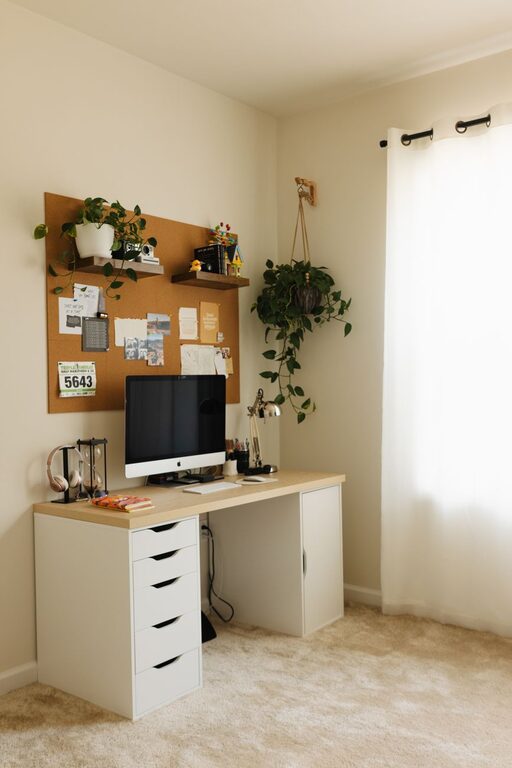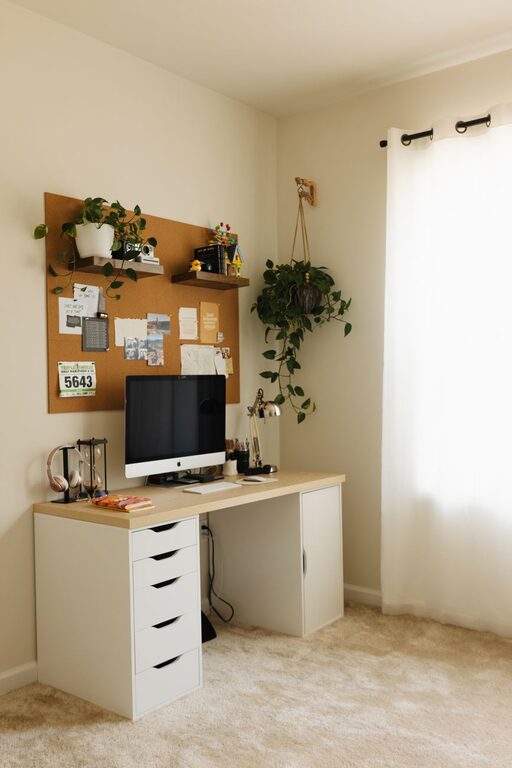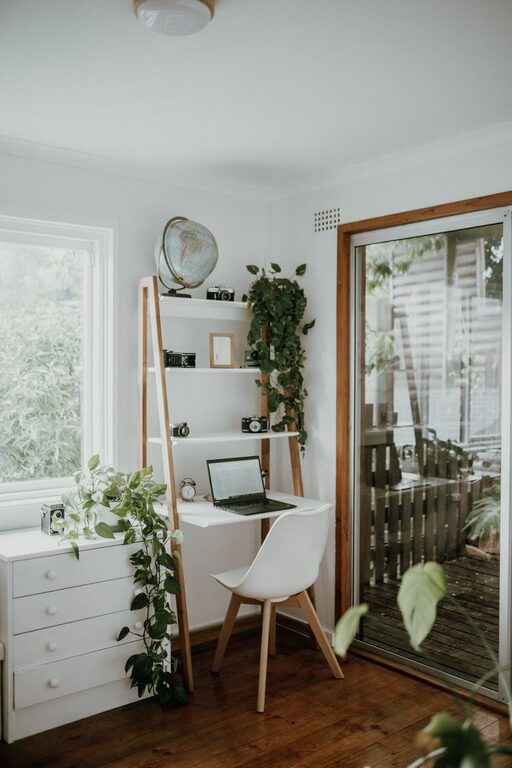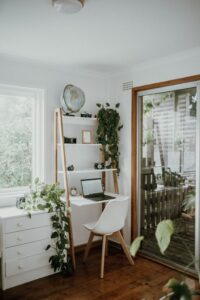




Creating a relaxing home workspace is essential for maintaining focus, reducing stress, and increasing productivity when working or studying from home. Unlike traditional office settings, a home workspace is part of your personal environment, which means you have the unique opportunity to tailor it perfectly to your needs. Below are some practical tips to help you design a calming and efficient workspace at home.
Why a Relaxing Workspace Matters
A cluttered or uncomfortable workspace can lead to distractions, fatigue, and even burnout. When your workspace feels inviting and restful, it not only helps reduce stress but also encourages a more productive mindset. Creating such an environment involves more than just picking a desk and chair—it includes lighting, organization, decor, and personal touches that promote well-being.
Choosing the Right Location
Find a Quiet Corner
Select a spot in your home that is naturally quiet and away from high-traffic areas. This helps minimize interruptions, so you can maintain focus and calm throughout your work sessions.
Natural Light is Key
If possible, choose a space near a window to benefit from natural sunlight. Exposure to daylight improves mood and energy levels, making your workspace feel warm and welcoming.
Ergonomics for Comfort and Health
Invest in a Good Chair
A comfortable, supportive chair is essential. Look for one that promotes good posture with adjustable height and lumbar support to prevent back pain.
Desk Height and Screen Position
Make sure your desk allows your arms to rest comfortably at a 90-degree angle. Position your computer screen at eye level to reduce neck strain.
Organizing Your Space
Declutter Regularly
Keep only the essentials on your desk to maintain a tidy space. Use organizers, drawers, or shelves to store supplies and documents neatly.
Use Cable Management
Tidy up cords and cables using clips or sleeves. This not only looks cleaner but also minimizes distractions caused by mess.
Adding Calming Elements
Bring in Nature
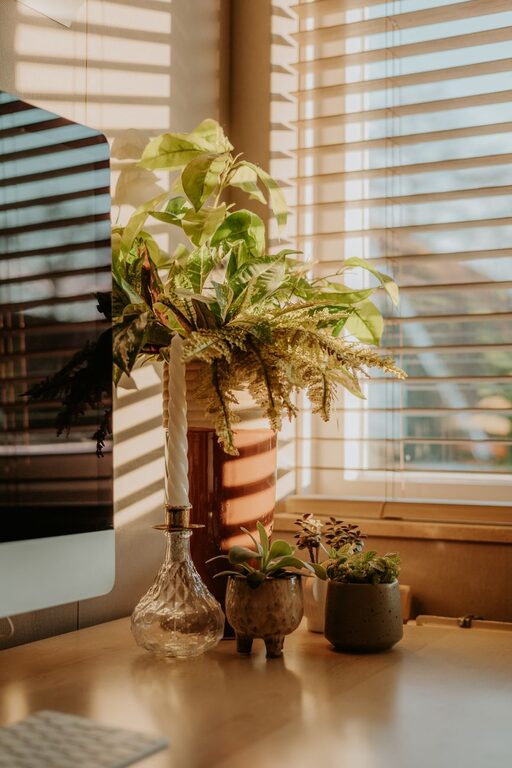
Adding plants can improve air quality and provide a soothing visual break. Choose low-maintenance plants like snake plants or succulents that thrive indoors.
Soft Textures and Colors
Incorporate soft textiles like cushions or rugs in calming colors such as blues, greens, or earth tones. These colors help create a peaceful atmosphere.
Use Aromatherapy
Consider using a subtle diffuser with essential oils like lavender or eucalyptus to promote relaxation without being overpowering.
Lighting Choices to Set the Mood
Layer Your Lighting
Combine ambient light, task lighting (like a desk lamp), and accent lighting to reduce eye strain and create a cozy environment.
Avoid Harsh Fluorescent Lights
Opt for warm LED bulbs instead of harsh overhead fluorescent lights, which can be tiring on the eyes.
Personal Touches That Inspire
Display Meaningful Items
Place a few personal items like photos, artwork, or motivational quotes to uplift your spirits without overcrowding your space.
Keep a Journal or Planner Nearby
Having a dedicated space for jotting down thoughts or plans can help manage stress and keep you organized.
Establishing Boundaries for Work and Relaxation
Define Work Hours
Set specific work hours and stick to them to prevent burnout. A consistent routine conditions your brain to switch between work mode and relaxation.
Physically Separate Work from Rest Areas
If possible, keep your workspace separate from areas meant for rest, such as the bedroom or living room. This helps your mind associate the workspace only with productivity.
Minimizing Digital Distractions
Use Focus Tools
Apps or software that block distracting sites during work hours can help maintain focus.
Keep Your Phone Away
Place your phone in another room or use “Do Not Disturb” mode during focused work periods.
Maintaining Your Workspace
Weekly Cleaning
Schedule time each week to clean and reorganize your workspace, ensuring that it stays inviting and functional.
Update Decor Seasonally
Refresh your workspace with small seasonal touches to keep the environment lively and inspiring.
—
Creating a relaxing home workspace is a combination of practical ergonomics, thoughtful organization, and personal touches that cater to your comfort and style. By following these tips, you can build a workspace that not only supports your productivity but also enhances your overall well-being. A well-designed space encourages a positive mindset, making your work-from-home experience much more enjoyable.