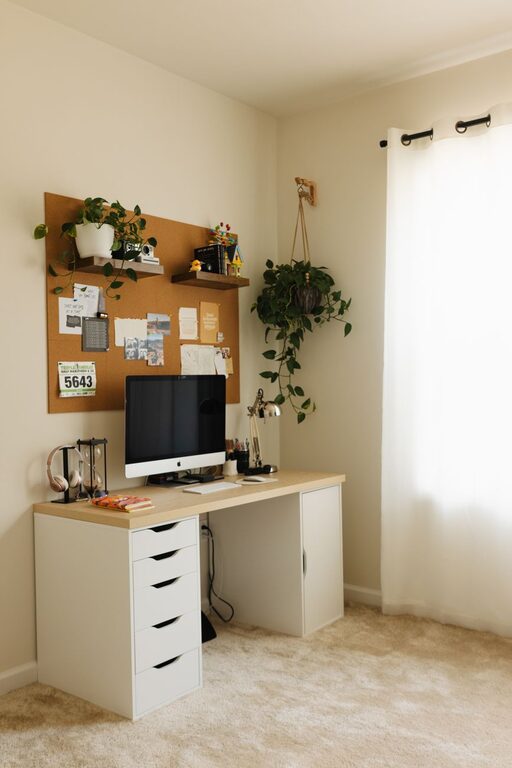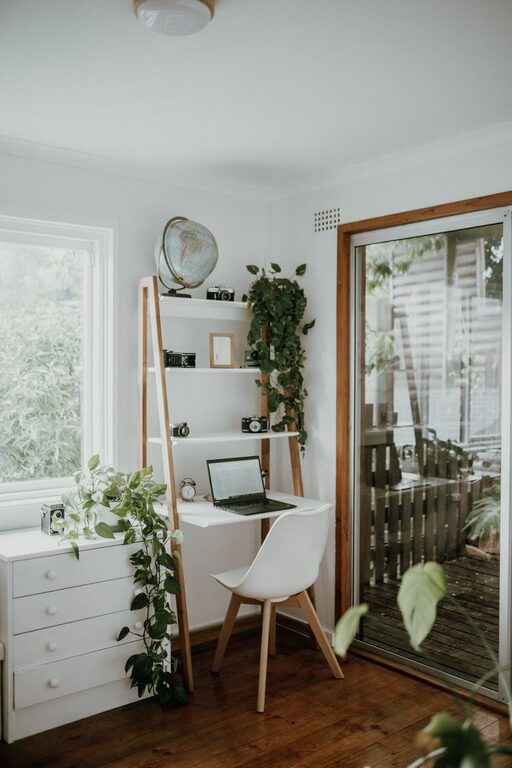
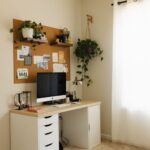




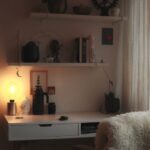

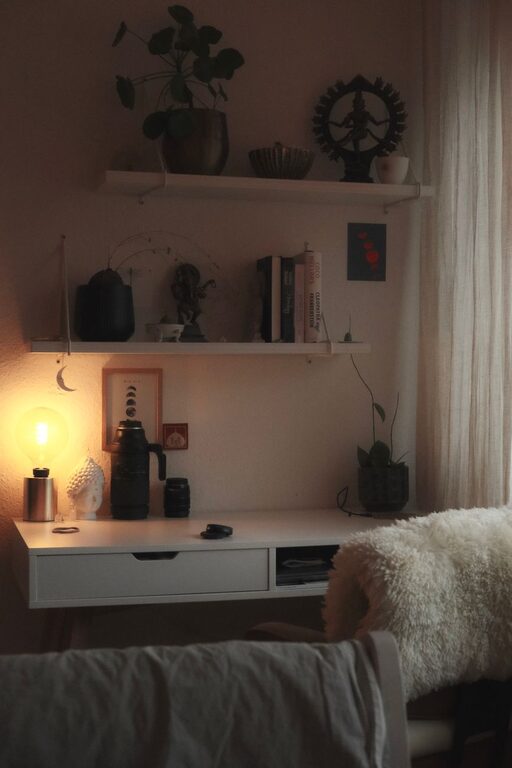
Creating a home office that is both cozy and productive can greatly enhance your work-from-home experience. Whether you’re setting up a dedicated room or a small corner in your living space, the goal is to make an environment that fosters focus, comfort, and creativity. Here are some practical tips to help you design a workspace that truly works for you.
1. Choose the Right Space
Find a Quiet Spot
Start by selecting a location with minimal distractions. Ideally, pick a quiet area away from high-traffic zones like the kitchen or living room. This helps you focus and limits interruptions during working hours.
Consider Natural Light
If possible, position your desk near a window. Natural light boosts mood and energy and reduces eye strain. If natural light is limited, invest in quality, adjustable lighting to brighten your workspace evenly.
2. Invest in Comfortable Furniture
Ergonomic Chair
A supportive, ergonomic chair is essential for long hours at your desk. Look for one with adjustable height and lumbar support to keep your back comfortable and reduce strain.
Functional Desk
Choose a desk that fits your available space and provides enough room for your computer, notebooks, and any other tools you use daily. Consider standing desks or adjustable desks if you want to vary your working posture during the day.
3. Organize Your Space Effectively
Declutter Regularly
A tidy workspace helps clear your mind and improve focus. Keep only the essentials on your desk and store other items in drawers or shelves.
Use Storage Solutions
Invest in storage containers, filing cabinets, or shelves to organize paperwork, office supplies, and electronics. Labeling boxes or folders can save time when searching for important items.
Manage Cables
Untidy cords can be distracting and dangerous. Use cable organizers or clips to keep wires neat and out of the way.
4. Personalize Your Workspace
Add Plants
Greenery not only beautifies your office but also improves air quality and reduces stress. Opt for low-maintenance plants like succulents or spider plants.
Display Inspiring Items
Photos, artwork, or motivational quotes can make your space more inviting and keep you motivated throughout the day.
Choose Soothing Colors
Colors can impact your mood and productivity. Soft blues, greens, or warm neutrals often create a calming atmosphere suited for focus.
5. Optimize Lighting
Use Layered Lighting
Combine ambient lighting with task lighting. A good desk lamp directed at your work area prevents eye strain, especially during evening hours.
Reduce Screen Glare
Position your monitor to minimize glare from windows or overhead lights. Anti-glare screen protectors can also help.
6. Minimize Distractions
Noise Control
If you cannot avoid ambient noise, noise-canceling headphones or white noise machines can help you maintain concentration.
Set Boundaries
If you live with others, communicate your work schedule clearly to minimize interruptions.
7. Incorporate Technology Wisely
Reliable Equipment
Ensure your computer, internet connection, and other tech tools are fast and reliable to avoid frustration and lost time.
Useful Software
Use productivity apps or timers to manage projects and stay on track with deadlines.
8. Maintain a Healthy Routine
Take Breaks
Step away from your desk regularly to stretch, hydrate, and rest your eyes.
Keep Hydrated and Snack Smart
Having a water bottle nearby and healthy snacks can keep your energy steady throughout the workday.
Ventilate Your Space
Fresh air can refresh your mind. Open a window when possible or use an air purifier.
Conclusion
Designing a cozy and productive home office is about balancing comfort, organization, and inspiration. By thoughtfully choosing your space, furniture, lighting, and décor, you create an environment that supports your work and well-being. Remember, small changes can make a big difference, so start with a few tips and adjust your workspace as you discover what helps you work best.