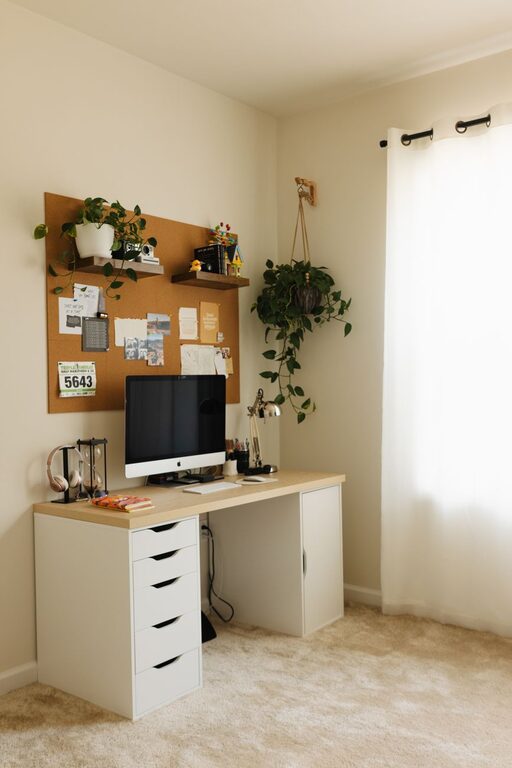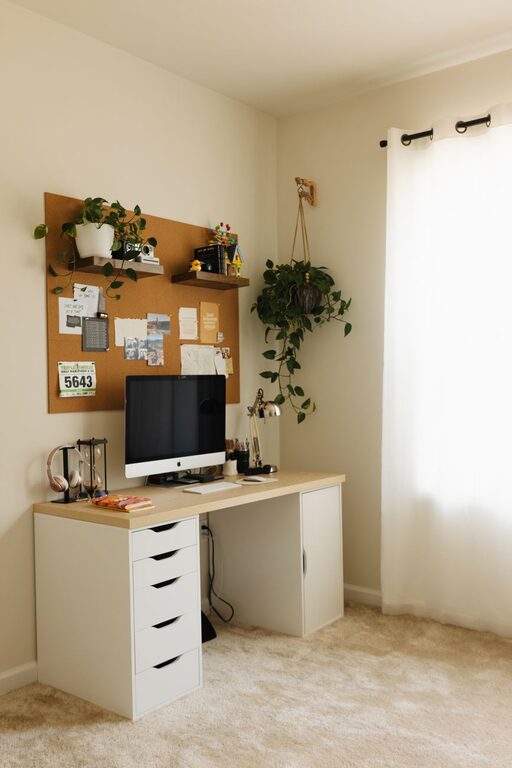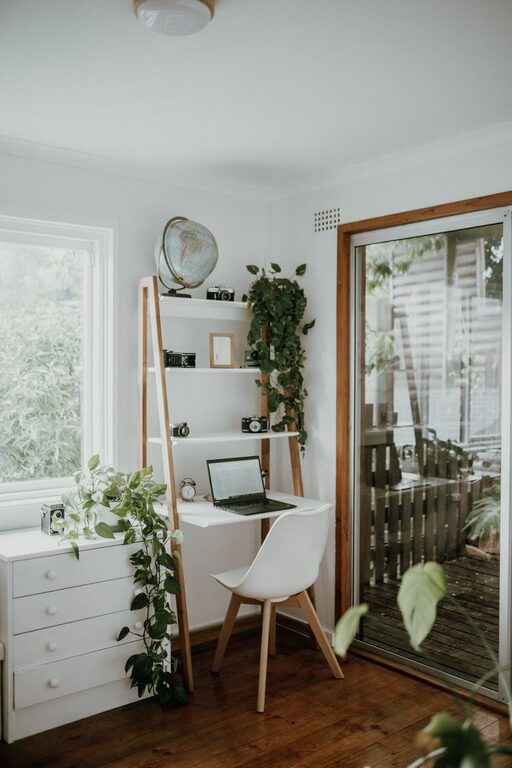

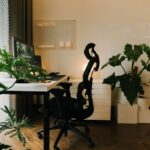
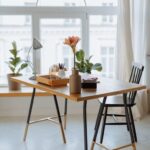
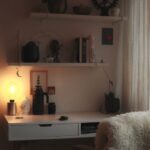


Creating a relaxing home office environment can significantly improve your focus, comfort, and overall well-being while working. Whether you’re new to working from home or looking to refresh your current workspace, small changes can make a big difference. This guide offers practical tips to help you design a home office that is both soothing and efficient.
Why a Relaxing Home Office Matters
A cluttered or uncomfortable workspace can increase stress and reduce productivity. On the other hand, a well-organized and calming office helps maintain focus and makes daily work more enjoyable. Your home office should be a place where you feel motivated and relaxed.
Choose the Right Location
Selecting the right spot for your home office is the first step. Here are some considerations:
– Quiet Space: Pick a room or corner away from heavy foot traffic and noise to minimize distractions.
– Natural Light: If possible, position your desk near a window. Natural light boosts mood and reduces eye strain.
– Privacy: If you share your living space, consider how much privacy you need to take calls or concentrate.
Ergonomic Furniture for Comfort
Comfort is key to staying relaxed during long work hours. Focus on ergonomic furniture:
– Desk: Choose a desk size that fits your equipment but isn’t overwhelming for your space.
– Chair: Invest in an ergonomic chair that supports your back and encourages good posture.
– Monitor Height: Position screens at eye level to avoid neck strain.
– Footrest and Accessories: Use a footrest if your feet don’t reach the ground comfortably and consider wrist supports for added comfort.
Declutter and Organize
A cluttered desk can lead to a cluttered mind. Keep your workspace tidy with these tips:
– Minimal Essentials: Only keep daily essentials on your desk.
– Storage Solutions: Use shelves, drawers, or storage bins to keep papers and supplies organized.
– Cable Management: Use clips or cable organizers to keep wires neatly arranged and out of sight.
Create a Calming Color Scheme
Colors affect mood, so choose hues that promote calmness:
– Soft Neutrals: Colors like beige, soft gray, and off-white create a soothing backdrop.
– Light Blues and Greens: These colors are known for their calming effects.
– Personal Touches: Incorporate a few colorful accents, like a plant or artwork, to inspire creativity without overwhelming.
Bring in Nature
Adding natural elements can improve air quality and reduce stress:
– Houseplants: Easy-care plants like succulents or snake plants add greenery and help purify air.
– Natural Materials: Use wooden furniture or accessories to add warmth.
– Fresh Air: Open windows when possible to circulate fresh air.
Control Lighting
Proper lighting reduces eye strain and creates a relaxing atmosphere:
– Layered Lighting: Combine natural light, overhead lights, and task lighting.
– Adjustable Desk Lamps: Choose lamps with adjustable brightness and direction.
– Avoid Harsh Fluorescents: Soft white bulbs are easier on the eyes.
Incorporate Personal Comforts
Make your workspace inviting by adding things that make you feel comfortable:
– Cozy Textiles: A soft rug or throw blanket can add warmth to the space.
– Scent: Use a subtle essential oil diffuser or scented candle for a calming aroma.
– Sound: Consider a white noise machine or soft background music to drown out distractions.
Manage Noise Distractions
If noise is a problem, try these strategies:
– Noise-Canceling Headphones: They help block out background noise.
– Soundproofing: Place rugs, curtains, or acoustic panels to reduce echo.
– Quiet Time: Discuss with household members about quiet hours during your workday.
Take Breaks and Move
Even with the most relaxing workspace, it’s important to move regularly:
– Stretch: Take quick stretch breaks to ease muscle tension.
– Short Walks: Walk around your home or step outside for fresh air.
– Eye Breaks: Follow the 20-20-20 rule—every 20 minutes, look at something 20 feet away for 20 seconds.
Technology and Connectivity
Ensure your tech setup supports a smooth and stress-free experience:
– Reliable Internet: A strong connection reduces frustration.
– Organized Tech: Keep chargers and devices organized.
– Backup Plan: Have a backup battery or alternate internet source for urgent work.
Final Thoughts
Creating a relaxing home office environment is about balance — blending comfort, function, and personal style. Implementing these tips can help you design a space that supports your work and well-being. Remember, the best home office is one where you feel productive and at ease.
By dedicating some time and effort to your workspace, you’ll create a home office that works with you, not against you. Happy decorating!